
Caring for wool bedding is a bit like owning a classic British sports car: it’s beautifully made, performs brilliantly, and will last for ages… as long as you don’t treat it like a Toyota Corolla.
And look — Corollas are legendary. They’re reliable, sensible, and basically immortal. You could drive one through the apocalypse and it would still start. Wool, however, is not a Toyota Corolla.
Wool is naturally odour-resistant, moisture-wicking, and low-maintenance — but it has a few non-negotiables. Ignore them and it may repay you with felted regret (which, unlike a sports car, you can’t sell for a profit).
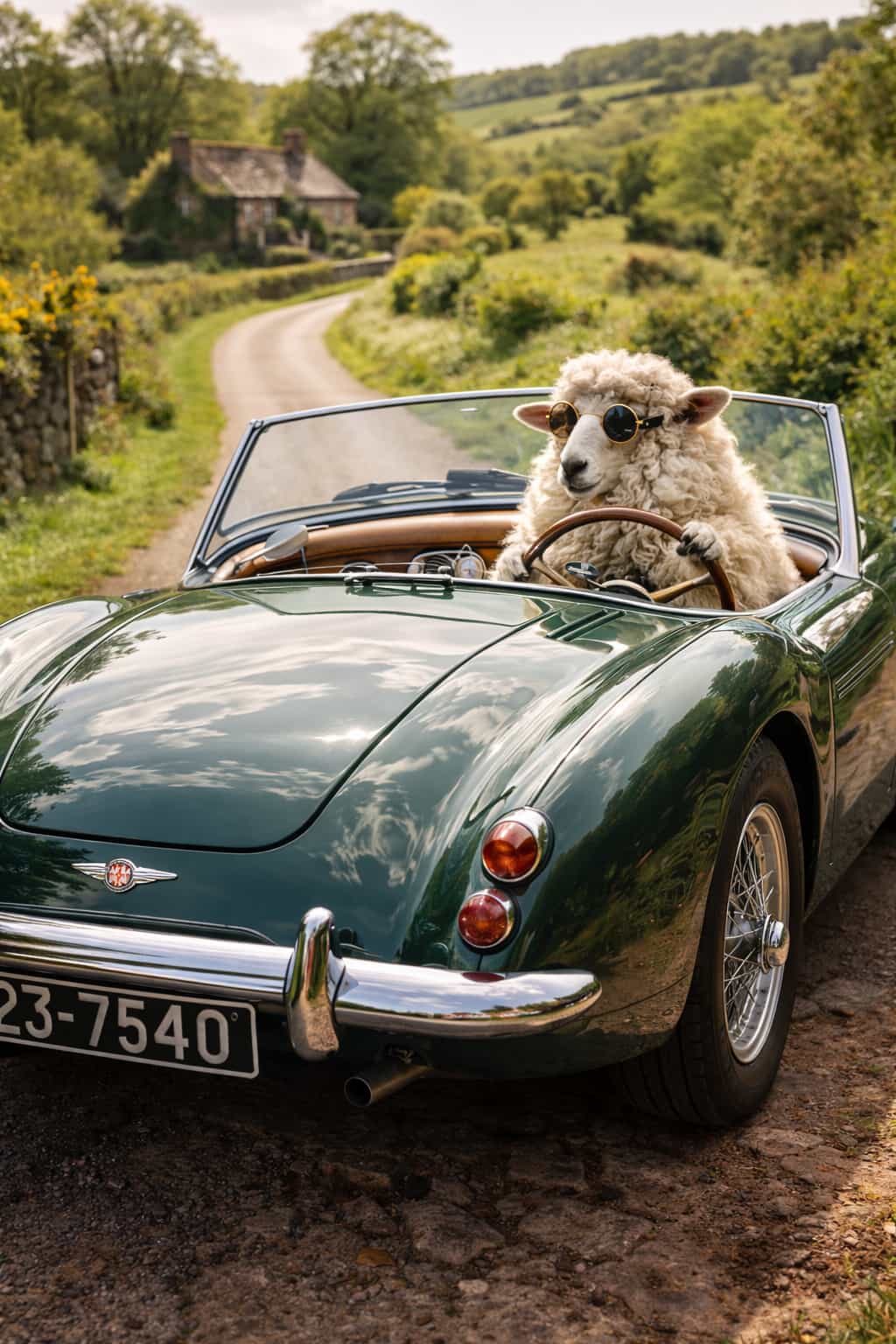
The sheep’s facing the wrong way because it’s avoiding eye contact with the laundry instructions.
The headline: Yes (if labelled) it’s machine washable
But wool typically needs very little washing. Most of the time, it does best with:
-
Airing a few times a year
-
Spot cleaning as needed
-
Washing only when it truly needs it (not because you’re having a “laundry productivity” spiral)
Manufacturer Care Instructions (a.k.a. The Owner’s Manual)
-
Wash separately
-
Cold machine wash on a gentle cycle
-
Dry at low temperature
-
Do not bleach
-
Do not soak
-
Dry without delay
-
Air regularly and shake to restore loft
North Shore Linens “Don’t Blow the Engine” Tips
Tip #1: Detergent — use a light touch
Use a very mild wool specific detergent, and only ¼–½ of your usual amount. Wool contains natural lanolin (its built-in conditioner). Too much detergent strips it out and stresses the fibres.
Tip #2: Heat — absolutely not
Wool doesn’t love heat. Too much can cause clumping/felting (aka: your blanket becomes one big matted apology).
If you have a no-heat / air-only dryer setting, perfect. Otherwise: 10–15 minutes on the lowest heat just to get it started, then hang dry to finish.
Choose Your Setup (How to Wash Wool Without Writing It Off)
If you have a front loader ✅
Front loaders are usually gentler and use less agitation — wool approves.
-
Cold, gentle/wool cycle, wash separately
-
Mild detergent: ¼–½ dose
-
Don’t let it sit wet — dry right away
-
Air-only/no heat ideal; otherwise 10–15 min low, then hang dry
-
Shake to restore loft
If you have a top loader with an agitator ⚠️
Agitators can be rough on wool and increase felting risk.
-
Cold water, gentlest cycle
-
Use a large laundry bag (or zipped duvet cover) to reduce friction
-
Mild detergent: ¼–½ dose
-
Air-only/no heat preferred; otherwise 10–15 min low, then hang dry
If you have a top loader with an impeller ✅
Much gentler than an agitator.
-
Cold, gentle/wool cycle, wash separately
-
Mild detergent: ¼–½ dose
-
Air-only/no heat ideal; otherwise 10–15 min low, then hang dry
If you have an air-only / no-heat dryer cycle 🌬️
Congratulations — you’ve got the “don’t fry the electrics” setting.
-
Use air-only after washing to move moisture through
-
Hang dry to finish if needed
-
Shake to restore loft
If you don’t have air-only 😬
Still doable — we just keep heat low and time short.
-
10–15 minutes on lowest heat to start
-
Hang dry the rest
If “low heat” still runs hot 🔥
Some dryers are liars.
-
5–10 minutes max
-
Hang dry
-
If it feels hot, stop. Wool wants “barely warmed,” not “full blast motorway.”
If you don’t have a dryer (or refuse on principle) 👑
Air drying is the gentlest option.
-
Reshape after washing
-
Hang dry/drape over a rack in ventilation
-
Avoid blasting beside a heater
-
Shake once dry
If you don’t want to wash it often (excellent choice)
-
Air a few times a year (outdoors on a dry day if possible)
-
Spot clean small marks
-
Full wash only when truly necessary
Shrinkproofing Wool (Without the Science Lecture)
Wool shrinks (felts) when heat + agitation make the tiny scales on the fibre surface lock together. To make wool more machine-friendly, some manufacturers use a common shrink-resist method often called the chlorine–polymer (“chlorine Hercosett”) process. In simple terms: the fibre surface is gently modified, then sealed with a protective polymer finish (often referred to as Hercosett 125) to reduce felting risk.
Not all wool is treated the same way — so always check the care label. And even with “washable” wool, gentler care keeps it looking better for longer. Wool doesn’t need frequent washing anyway — airing and spot cleaning usually do the trick.
Not all wool is created equal (because of course it isn’t)
Translation: some wool is like a classic British sports car with a modern clear coat — still gorgeous, just a bit more tolerant of everyday life.
(If you want the full nerdy breakdown, The Wool Channel explains the process brilliantly.) The Wool Channel